

The E-E-A-T Link Building Checklist: How to Acquire Backlinks That Build Trust (Not Just DA)
In the past, link building was a straightforward numbers game: chase the highest Domain Authority (DA) or Domain Rating (DR) you could find. Today, Google’s algorithms are vastly more sophisticated. They don’t just measure how many links you have or how strong the referring site is; they measure trust.
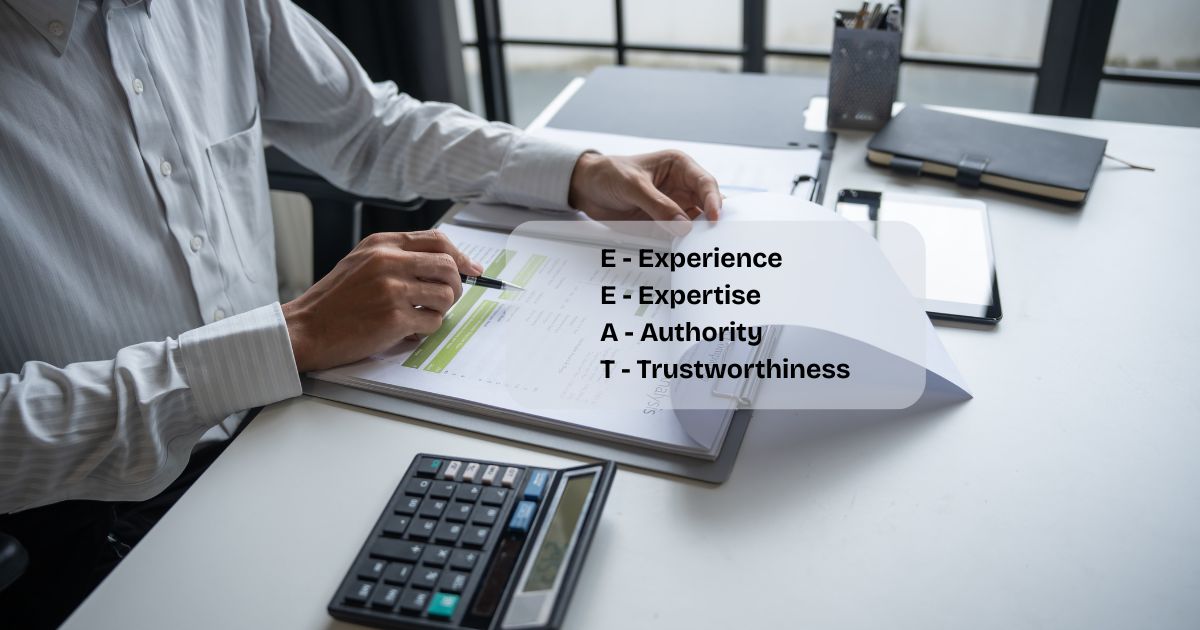
This shift is codified in Google’s Search Quality Evaluator Guidelines, centered around E-E-A-T: Experience, Expertise, Authority, and Trustworthiness.
For modern SEO success, your link building strategy must evolve from chasing metrics to building signals that satisfy the E-E-A-T framework.
Why DA is No Longer Enough
While Domain Authority remains a useful proxy for overall site strength, it has significant limitations:
- DA is Manipulable: A site with a high DA might still be a general-purpose link farm that accepts any sponsored post for money, regardless of niche or quality.
- It Ignores Context: A high-DA site in the cooking niche linking to a financial advice site is an irrelevant signal. It passes DA but fails on Expertise and Trustworthiness.
- It Ignores Experience: High DA doesn’t guarantee the writer of the linking content has real-world experience (the first ‘E’ in E-E-A-T).
The new goal? Acquire E-E-A-T-compliant links that Google can use to confidently rank you as a reliable source.
The E-E-A-T Link Building Checklist
Use this checklist to vet potential link opportunities and ensure your backlinks build genuine trust.
1. Experience & Expertise Check
This ensures the content hosting your link comes from someone who knows what they’re talking about.
| Factor | Checkpoint | Why it Matters (E-E) |
| Author Bio | Does the guest post author have a genuine, verifiable profile showing relevant experience? | Signals Experience. Google wants to know the writer has used the product or lived the advice. |
| Content Depth | Is the article hosting your link well-researched, citing internal/external data, and offering actionable steps? | Signals Expertise. Shallow content dilutes the value of your link. |
| Niche Focus | Does the host site specialize in your niche or a highly related vertical? | Specificity validates Expertise. A link from a niche authority is always superior. |
| AI Content Audit | Is the content hosting the link obviously AI-generated (generic, repetitive language)? | AI-generated content can lack the Experience and insight Google now values. |
2. Authority & Trustworthiness Check
This goes beyond DA to assess the credibility and reputation of the referring domain.
| Factor | Checkpoint | Why it Matters (A-T) |
| Citation Profile | Does the host site link out to other verifiable, authoritative sources (like universities, government sites, or major media)? | Signals Trustworthiness and journalistic quality. |
| Traffic & Ranking | Does the site rank for relevant, non-branded keywords and receive organic traffic (check tools like Ahrefs/SEMRush)? | Signals Authority. If Google trusts them, they can pass that trust to you. |
| “Write For Us” Red Flags | Does the site’s contributor page accept any topic or guarantee a placement fee? | A low barrier to entry signals low editorial standards and poor Trustworthiness. |
| Site Maintenance | Is the design professional? Are there broken links? Is the content up to date? | A well-maintained site is a foundational sign of Trustworthiness. |
3. Context & Placement Check
The link itself must be placed naturally and relevantly within the content.
| Factor | Checkpoint | Why it Matters (Context) |
| Relevance | Is your link contextually necessary? Does the surrounding sentence naturally lead the reader to click for more information? | A forced or “bolted-on” link fails to build E-E-A-T. |
| Anchor Text | Is the anchor text natural, non-exact match, and descriptive? (e.g., “our detailed guide on backlink strategy” vs. “link building service”) | Over-optimized anchor text is a Trustworthiness red flag. |
| Proximity to Author | Is the link placed close to a mention of the author’s credentials or within a highly authoritative section of the text? | Reinforces the link’s authority signal. |
The LinqBuilder E-E-A-T Advantage
At LinqBuilder, we’ve baked the E-E-A-T guidelines into our core process. Our strategy isn’t just about securing high-metric placements; it’s about securing trust-building placements:
- Niche Focus: We only place links on sites that pass the relevance check, ensuring your backlink strengthens your topical authority.
- Expert Content: Our human, AI-free writers produce content that demonstrates real-world Expertise and Experience, protecting the quality signal of your link.
- Transparency: You get full visibility into the host site’s metrics and niche focus, ensuring they meet your standards for Trustworthiness.
Stop buying links that only satisfy a tool metric. Start acquiring links that satisfy Google’s ultimate goal: providing users with reliable, expert information.
Frequently Asked Questions (FAQ)
1. What does E-E-A-T stand for in SEO?
E-E-A-T is a framework used by Google’s Quality Raters to assess the quality of content and websites. It stands for Experience, Expertise, Authority, and Trustworthiness. For link building, it means acquiring backlinks from sites that demonstrate these qualities.
2. Why is Domain Authority (DA) no longer the only metric for link building?
While DA is still a useful indicator of site strength, it is no longer sufficient because it ignores context. A high DA site might lack niche relevance, editorial standards, or real-world author experience (the “E” in E-E-A-T). Google now prioritizes the trustworthiness and relevance signals of the linking page and domain.
3. How do I check for “Experience” in a potential link building opportunity?
To check for Experience, look for an author bio that confirms the writer has hands-on, verifiable knowledge of the topic. The content itself should offer unique insights, personal anecdotes, or specific process details that only someone with real-world experience would know.
4. What is a key red flag that a site lacks “Trustworthiness”?
A key red flag is a host site that has extremely low editorial standards, such as a “Write For Us” page that accepts any topic without proper vetting, or guarantees a placement in exchange for a fee. This signals the site’s primary motive is selling links, not providing reliable information.