


Building links for a travel blog or an e-commerce store is straightforward. Building links for a FinTech startup, a Cybersecurity firm, or a high-stakes Legal practice is a different game entirely.
In these “unconventional” niches, you aren’t just fighting for rankings; you are fighting for trust. These industries fall under Google’s YMYL (Your Money Your Life) category, where the algorithm’s scrutiny on E-E-A-T (Experience, Expertise, Authoritativeness, and Trustworthiness) is at its peak.
At Linqbuilder.com, we’ve navigated the strict compliance and high barriers to entry that define these sectors. Here is the blueprint for mastering link building in the most difficult niches on the web.
1. The YMYL Reality: Why Traditional Outreach Fails
In FinTech or Legal, a “standard” guest post won’t cut it. Compliance teams and high-tier editors in these spaces are risk-averse. They won’t link to a site that doesn’t mirror their own level of professionalism.
The Barrier to Entry
- Regulatory Compliance: FinTech and Legal content must adhere to strict financial or bar association guidelines. One “unvetted” claim can lead to legal liability for the publisher.
- The Expertise Gap: A generalist freelance writer cannot write about Zero Trust Architecture or Multi-District Litigation convincingly.
- The “Closed Circle” Effect: In Cybersecurity, experts link to other experts. If you aren’t part of the “inner circle” of trusted entities, your outreach emails will be ignored.
2. FinTech: Link Building for Trust and Security
In the financial sector, links must come from “Institutions,” not just “Websites.”
The Strategy: Data-Driven Authority FinTech sites have one massive advantage: Data. To get a link from a DR 80+ finance journal, you need to provide proprietary insights.
- The Play: Publish an annual report on “Consumer Spending Habits in 2026” or “The Cost of Credit Card Fraud.”
- The Result: High-authority news outlets and financial analysts will cite your data as a primary source. This creates a “Natural Link Magnet” that bypasses the need for cold pitching.
3. Cybersecurity: Navigating the “Zero Trust” Web
The Cybersecurity niche is perhaps the most difficult to penetrate. The editors are tech-savvy, skeptical of SEO, and prioritize security above all.
The Strategy: The “Tooling and Research” Approach Cybersecurity professionals love tools, scripts, and vulnerability research.
- The Play: Develop a free “Security Header Scanner” or publish a “White Paper” on a newly discovered exploit.
- The Barrier: You must build links from .edu (universities) and .gov or .org (industry bodies). These sites don’t sell links; they cite excellence.
- Linqbuilder Tip: Use our expertise to find niche-specific tech journals that specialize in “InfoSec” to bridge the gap between your research and the mainstream tech community.
4. Legal: Linking Within a “Barred” Environment
For Law firms, link building is often a local game with global authority requirements.
The Strategy: The “Legal Resource” Pivot Instead of “Buying Guest Posts,” you must become a Resource Center.
- The Play: Create a comprehensive “State-by-State Guide to Employment Law” or “The Comprehensive 2026 GDPR Compliance Checklist.”
- The Compliance Fix: Ensure all content is reviewed by a legal subject matter expert (SME). In 2026, Google’s AI can detect when legal advice lacks “Expertise” (the first ‘E’ in E-E-A-T), potentially devaluing any links pointing to that content.
5. Compliance-Proofing Your Strategy
When building links for YMYL niches, you must follow these three “Safe Harbor” rules:
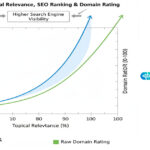
- Topical Synonimity: Only build links from sites that are topically adjacent. If you are in FinTech, a link from a “Home Decor” blog no matter the DR is a red flag.
- Author Bylines: Ensure your guest placements include a verified author bio with links to their LinkedIn or professional credentials.
- Conservative Anchor Text: Avoid “Exact Match” anchors like “cheap life insurance.” Instead, use Branded Anchors or Full Sentence Citations to stay beneath the radar of spam filters.
Conclusion: The Long Game Wins
Link building for unconventional niches is a marathon, not a sprint. The barriers to entry are high, but that is your greatest advantage. Once you secure a link from a high-authority Cybersecurity journal or a prestigious Legal directory, your competitors will find it nearly impossible to replicate.
Are you ready to break into high-barrier niches? Explore Linqbuilder’s YMYL-Vetted Experts to find the exact publishers that understand your industry’s compliance and authority needs.