



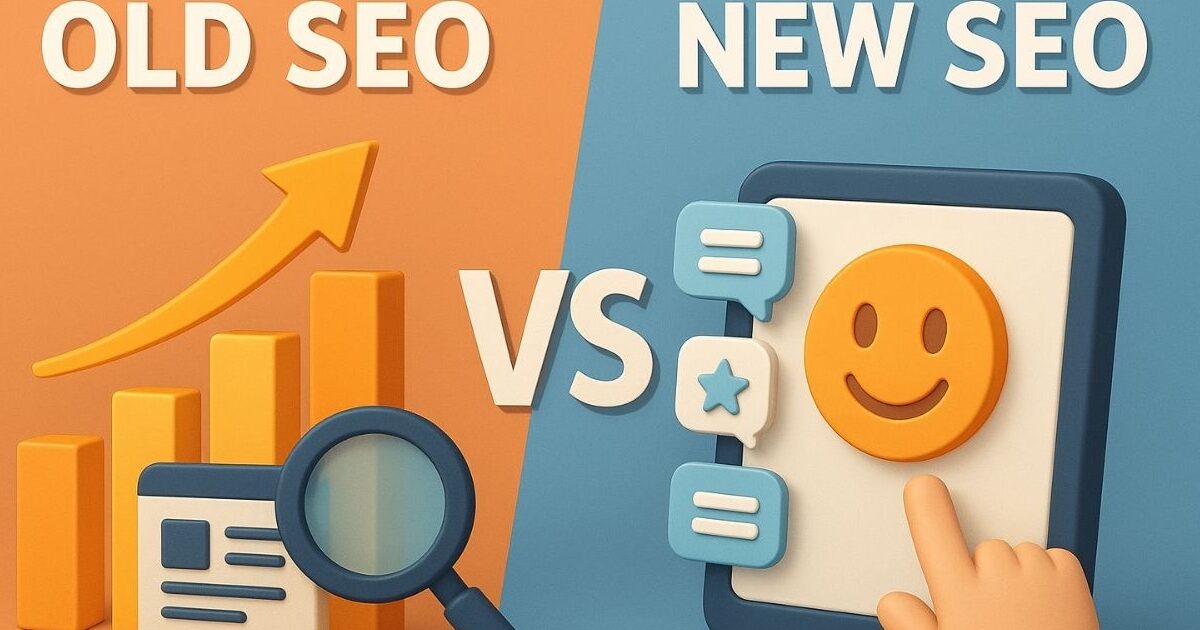
In the early days of SEO, guest posting was a numbers game. You wrote a 500-word article, dropped a keyword-rich anchor text, and watched your rankings climb. But in 2026, the “link-first” mentality is a recipe for stagnation.
With the rise of Generative Engine Optimization (GEO) and Google’s heightened focus on EEAT (Experience, Expertise, Authoritativeness, and Trustworthiness), the most successful brands have shifted their focus. They aren’t just looking for “juice”; they are looking for referral traffic and brand signals.
Here is why guest posting has evolved into a multi-dimensional growth engine and how you can leverage it to stay ahead of the curve.
1. The Referral Traffic Advantage: Quality Over Quantity
In 2026, a backlink from a “ghost town” site (high DR but zero traffic) is virtually worthless. Google’s algorithm now prioritizes links from pages that actually receive human engagement.
- The 27% Rule: Recent industry data shows that guest posts on high-traffic, niche-relevant sites generate 27% more referral traffic than other backlink types.
- Qualified Leads: When you publish a guest post on a site your audience already trusts, the traffic you receive is pre-vetted. These aren’t just “visitors”; they are potential clients who have already consumed your expertise.
LSI Strategy: Focus on topical relevance and audience alignment rather than just domain authority (DA).
2. Building Brand Trust in the Age of AI
As AI-generated content floods the web, human expertise has become the new premium. Guest posting allows you to borrow the “trust equity” of established publications.
- Third-Party Validation: When an industry-leading blog publishes your work, it’s a silent endorsement. In the eyes of a reader and search engines you are no longer a stranger; you are a verified expert.
- Combatting AI Noise: Original research, case studies, and first-hand experiences—the hallmarks of a good guest post—are signals that AI cannot easily replicate. This builds a “trust moat” around your brand.
3. SEO in 2026: Beyond the Blue Links
SEO is no longer just about ranking #1 on a Google search results page. It’s about appearing in AI Overviews (SGE) and SearchGPT citations.
- Semantic Link Building: Search engines now use Latent Semantic Indexing (LSI) to understand the context of a link. If you’re a marketing agency, a link from a “tech and lifestyle” blog is weaker than a link from a “SaaS growth” publication.
- EEAT Signals: By contributing to reputable sites, you are building an “author entity.” When your name is associated with high-quality content across the web, Google’s Knowledge Graph begins to recognize you as an authority in your niche.
4. How to Optimize Your Guest Posting for 2026
To move “beyond the backlink,” follow this 3-step modern outreach framework:
A. The “Value-First” Pitch
Stop asking for links. Instead, identify a content gap on your target site. Use tools to find keywords the host site is not ranking for and offer to write a comprehensive guide on that specific topic.
B. Natural Anchor Text Diversification
Avoid over-optimizing with exact-match keywords. In 2026, branded anchors (e.g., “according to LinqBuilder”) and naked URLs are safer and more effective at building long-term authority without triggering spam filters.
C. The Author Bio as a Landing Page
Your author bio shouldn’t just be a footnote. It’s your conversion point. Include:
- A professional headshot.
- A clear value proposition.
- A link to a linkable asset (like a free tool or whitepaper) rather than just your homepage.
Final Thoughts: The Future is Editorial
Guest posting in 2026 is no longer an “SEO trick” – it is high-level Digital PR. By focusing on referral traffic and brand trust, you aren’t just building a faster way to the top of Google; you’re building a brand that can survive any algorithm update.