



How Google’s E-E-A-T Impacts Guest Posting & Link Building in 2025
Introduction
In 2025, Google’s E-E-A-T guidelines Experience, Expertise, Authoritativeness, and Trustworthiness shape every serious SEO campaign. For brands and agencies running guest posting or link building efforts, E-E-A-T is no longer just a buzzword; it’s a key determinant of rankings and lasting online success. As Google’s algorithms have grown smarter, simply acquiring backlinks or publishing generic guest content isn’t enough. Instead, Google prioritizes content and links that reflect genuine experience, real subject-matter expertise, established authority, and robust trust signals.
What Is Google E-E-A-T?
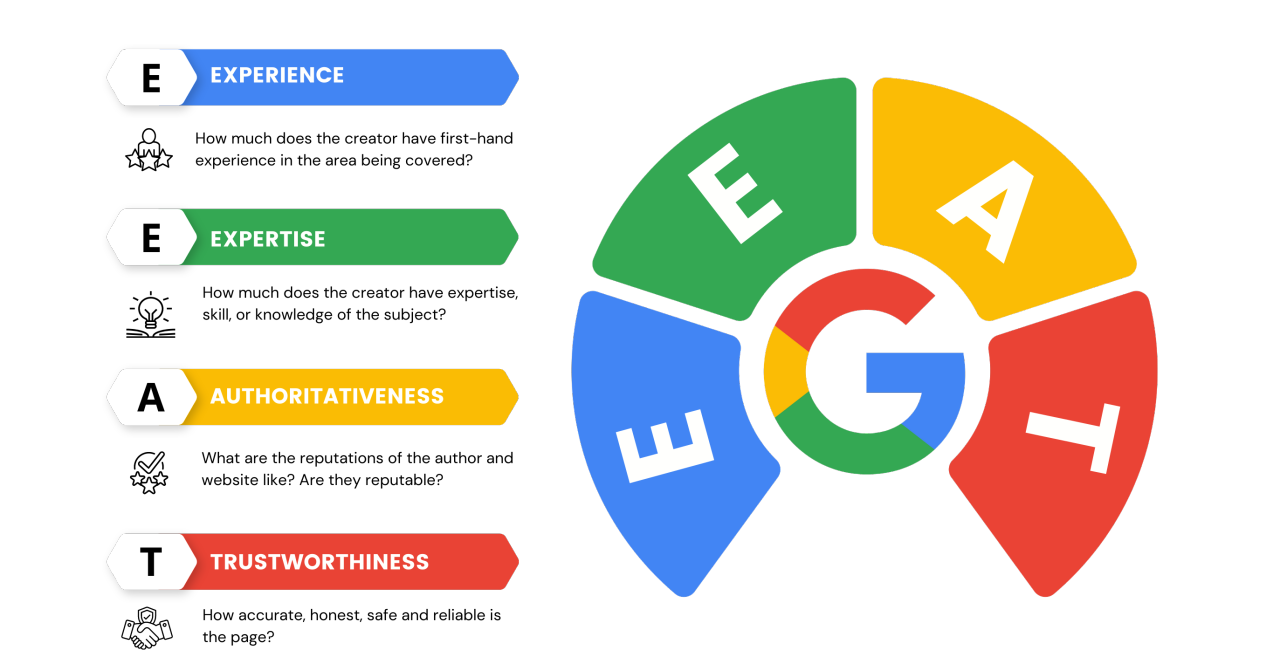
E-E-A-T stands for Experience, Expertise, Authoritativeness, and Trustworthiness. Initially introduced as E-A-T in Google’s Quality Rater Guidelines, it expanded in 2022 to place even greater emphasis on first-hand experience. While E-E-A-T is not a “direct ranking factor,” content and sites demonstrating strong E-E-A-T signals consistently outperform low-quality peers in search visibility and conversions.
E-E-A-T Breakdown:
- Experience: Does the content show first-hand, real-world knowledge or application?
- Expertise: Is the author qualified on the subject, with visible credentials or professional background?
- Authoritativeness: Does the brand, writer, or site have recognized authority in their niche?
- Trustworthiness: Is the site technically secure, unbiased, and transparent about its sources?
Why Does E-E-A-T Matter for Guest Posting & Link Building?
Google’s focus on E-E-A-T in 2025 is a direct response to increasing volumes of AI-generated, low-value, and misleading content online. Guest posting and link building previously relied heavily on volume or keyword density, but that’s changed.
- Backlinks from authoritative sources carry more SEO value when the referring page also demonstrates E-E-A-T.
- Guest posts that showcase author expertise and first-hand experience are rewarded with greater trust, visibility, and rankings.
- Link building campaigns prioritizing quality over quantity and demonstrating transparency, credentials, and useful insights—are protected from Google penalties and future algorithm changes.
E-E-A-T’s Impact on Guest Posting
1. Author Experience Is Essential
Google prioritizes guest posts written by contributors with authentic, real-world experience. Rather than anonymous or “ghost-written” guest content, preference is given to authors who:
- Present their credentials and background with a rich author bio.
- Reference case studies, project experience, or hands-on results.
- Share industry knowledge, not just theoretical advice.
2. Expert-Led Content Drives Higher Rankings
Content written or reviewed by proven experts rises above generic blog posts.
- Include details about contributors’ qualifications, certifications, years in the field, and notable achievements.
- Use structured data and authorship schema to help Google verify contributor expertise.
3. Authority of Referring Domains
Links from domains and blogs recognized in the niche matter more than ever. A guest post on a respected industry site adds authority, while placements on low-quality or irrelevant blogs offer little benefit.
- Prioritize sites with strong reputations and demonstrated E-E-A-T signals.
- Avoid link schemes, paid posts, or irrelevant guest blogging networks.
4. Trustworthiness and Transparency
Google rewards transparency in both guest content and backlinks.
- Sites should have clear privacy policies, secure connections (HTTPS), and transparent author bios.
- Disclose sponsored content, partnerships, or affiliate relationships.
- Cite sources, link to reputable research, and avoid misleading claims.
E-E-A-T’s Impact on Link Building Campaigns
1. Building Authority with Quality Backlinks
Backlinks now serve as signals of both authority and trust. For maximum impact:
- Aim for editorial links from authoritative, niche-specific sites.
- Avoid spammy directories, link farms, or mass guest post networks.
- Pursue digital PR opportunities—news mentions, features, or expert roundups.
2. Content Depth, Relevance, and User Value
Google values backlinks that stem from content that is deeply insightful, covers topics thoroughly, and provides real user value.
- Shallow or generic blog posts rarely rank well—even if they attract backlinks.
- Focus on comprehensive, actionable content that is aligned with current user needs and Google’s “helpful content” guidance.
3. Experience and Real-World Evidence in Link Building
Outreach efforts and digital PR work best when linked content includes first-hand experience, unique research, or case studies.
- Share original data, in-depth guides, or real client results.
- References to recognized entities (brands, experts, products) help Google build semantic confidence.
4. Industry-Specific E-E-A-T Considerations
YMYL (“Your Money Your Life”) niches—health, finance, law—face stricter E-E-A-T requirements.
- Guest posts must be fact-checked and reviewed by qualified professionals.
- Link building should focus on earning placements from accredited media, professional associations, or government sites.
How to Optimize Guest Posting & Link Building for E-E-A-T
- Prioritize Author Transparency and Credentials
- Pursue High-Authority Guest Opportunities
- Pitch thought leadership content to reputable, niche-specific blogs.
- Build relationships with site owners and editors for repeat contributions.
- Ensure Content Depth, Originality, and User Value
- Structure posts with data, real-world examples, actionable insights.
- Avoid fluff, keyword stuffing, or AI-generated “filler.”
- Monitor E-E-A-T Signals Across Your Backlink Profile
- Audit all referring domains for authority, trust signals, and topic relevance.
- Remove or disavow poor-quality links and paid link placements.
- Stay Informed on Algorithm Updates
My Conclusion
In 2025, Google’s E-E-A-T guidelines drive much more than compliance—they actively shape which guest posts rank, which backlinks boost site authority, and which brands earn user trust. Successful guest posting and link building requires demonstrating real experience, highlighting expert credentials, targeting reputable sites, and building trust at every step. Brands and agencies able to execute E-E-A-T–optimized campaigns will earn not just rankings, but lasting relevance in the age of people-first content and smarter search algorithms.
Frequently Asked Questions
What is E-E-A-T and why does it matter for SEO?
E-E-A-T stands for Experience, Expertise, Authoritativeness, and Trustworthiness. It’s the guideline Google uses to evaluate how helpful, credible, and reliable web content is—especially for guest posting and link building.
Is E-E-A-T a direct Google ranking factor?
No, E-E-A-T itself is not a direct ranking factor, but Google uses E-E-A-T signals—like author credentials, first-hand experience, and site trust markers—to evaluate the quality and ranking potential of content and links.
How does E-E-A-T impact guest posting campaigns?
Guest posts that demonstrate real experience and are published or reviewed by credible experts on authoritative sites are much more likely to help both rankings and brand reputation.
How does E-E-A-T affect link building in 2025?
Quality backlinks from trustworthy, high-E-E-A-T websites matter far more than low-value links. Link building efforts must focus on partnerships with reputable publishers, expert-driven content, and transparent authorship.
Does E-E-A-T apply to all types of content?
Yes, but it is especially critical for “Your Money or Your Life” (YMYL) topics such as finance, health, and legal matters. Google demands very high standards of authority and trust in these niches.
What are the best ways to improve E-E-A-T for guest posts and backlinks?
Showcase author expertise with detailed profiles, cite credible sources, keep content updated, earn links from high-authority sites, and prioritize real experience over generic advice.